in today's digital age, choosing the right server hosting service is crucial to the growth of your business. as one of the countries with the most developed internet infrastructure in the world, the united states has many server hosting service providers. this article will provide an in-depth analysis of the charging standards and service content of server hosting in the united states to help you better understand the current market situation and make a wise choice.
us server hosting charges vary based on service type, configuration, bandwidth, and additional services. generally speaking, server hosting can be divided into three types: shared hosting, vps (virtual private server) hosting and dedicated server hosting. shared hosting is usually the cheapest option, while dedicated servers offer greater performance and security at a relatively higher price. vps hosting sits somewhere in between, providing certain resource independence and performance advantages.
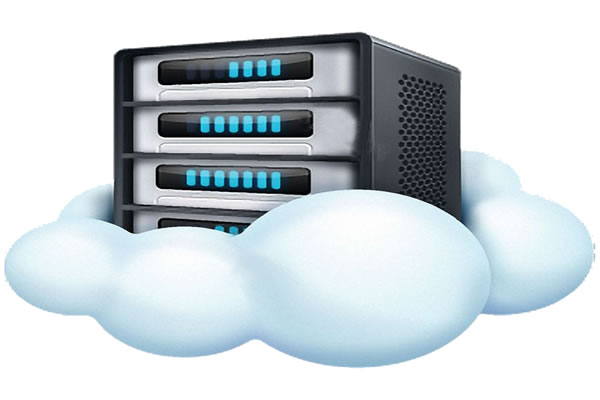
how much you charge for server hosting in the united states is affected by a variety of factors. first of all, the hardware configuration of the server directly determines the cost of hosting, such as cpu performance, memory size and storage space. secondly, network bandwidth is also a key factor. the greater the bandwidth, the higher the cost is usually. in addition, additional services such as the location of the data center, maintenance services, and technical support will also affect the price. therefore, companies need to consider these factors when choosing hosting services.
shared server hosting is when multiple users share the resources of the same server. this type of hosting is suitable for small businesses or personal websites with a limited budget. because resources are shared, the cost is lower, usually between tens and hundreds of dollars per month. although shared hosting costs less, its performance and security are relatively weak, and it is suitable for websites with small traffic and infrequent visits. however, when website traffic increases, it may be necessary to upgrade to a different type of hosting.
vps hosting divides a physical server into multiple virtual servers through virtualization technology, and users can obtain a certain amount of independent resources. compared with shared hosting, vps hosting provides better performance and security, and is suitable for medium-sized enterprises and websites with high traffic. vps hosting typically costs between tens and hundreds of dollars per month, depending on configuration and service provider. choosing vps hosting can effectively cope with traffic fluctuations and improve the stability of the website.
dedicated server hosting means that users have exclusive use of a physical server and have complete control. this hosting method is suitable for large enterprises, high-traffic websites, and applications that need to handle large amounts of data. although dedicated servers are more expensive, typically ranging from a few hundred to a few thousand dollars per month, their performance, security, and flexibility are undoubtedly optimal. dedicated server hosting is an ideal choice for industries that require extremely high reliability and security, such as finance, healthcare, etc.
in addition to basic hosting services, many us server hosting providers offer a variety of additional services such as backup, monitoring, technical support, and security. these additional services play an important role in ensuring proper server operation and data security. when companies choose hosting services, they should carefully evaluate the service provider's after-sales support and technical capabilities to ensure that they can receive timely help if they encounter problems.
among the many us server hosting providers, choosing the right partner is crucial. enterprises should conduct a comprehensive evaluation based on their own needs, budget and technical requirements, combined with market reputation, service quality, customer support and other factors. additionally, it is recommended to check user reviews and case studies to see how different providers perform in practice. by comparing the cost performance of different services, you can choose the hosting plan that best suits your business.
there are various charging standards and service contents for server hosting in the united states, and enterprises need to make comprehensive considerations based on their own needs when choosing. whether it is shared hosting, vps hosting or dedicated server hosting, each has its own pros and cons. especially in terms of budget, traffic, data security and technical support, enterprises need to make scientific decisions. i hope the analysis in this article can help you better understand the us server hosting market, make wise choices, and take your business to the next level.
- Latest articles
- Optimized Storage Costs For Hong Kong Hosted Servers, Hard Disk Servers, Layered Storage, And Cold Archiving Solutions
- Are Tencent Cloud Korean Servers Native? Recommendations For Local Service Provider Integration And Latency Optimization
- The Enterprise Migration Guide Teaches You How To Apply For US Dual-line Server Hosting To Ensure Compliance
- How Does AWS Cloud Server In Japan Charge? Bill Analysis And Fee Alert Settings
- Beginner's Guide: Which Hong Kong Site Cluster Servers Are Best To Use? Choose Based On Your Business Scale
- A Detailed Explanation Of US High-defense Servers Involves Latency, Bandwidth, Cleaning Capability, And SLA Comparison
- A Summary Of Common Questions About Hong Kong VPS Access In The US And A Guide To Optimal Connection Configurations
- Korean CN2 Network Cloud Service Product Selection Guide Performance, Security, And Scalability Evaluation
- Developer Manual: Best Practices For Network And Security In Configuring Linode Japanese Native IP
- Where Can I Buy A Vietnam Cloud Server? Hands-on Tutorial From Registration To Activation
- Popular tags
-

The Technical Operations Manual Covers The Server Troubleshooting Process For Website AV In The United States
Technical Operations Manual: Covers the server aV fault troubleshooting process for websites in the United States, including preparation, network and service positioning, log analysis, GEO optimization, and emergency recovery key points, suitable for operations engineers. -
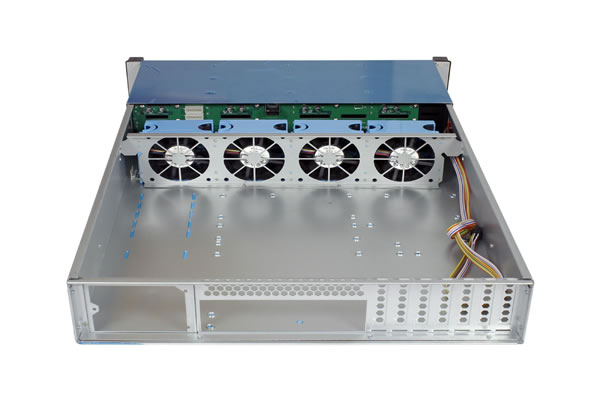
Advantages And Purchasing Guide Of American Station Group Ip Servers
this article discusses the advantages of us station group ip servers and the purchasing guide to help you make better use of station group ip to improve the seo effect of your website. -

Is It Legal To Sell American Servers? Discussing Legal Risks
This article explores the legality of selling US servers and its potential legal risks to help you better understand relevant legal issues.